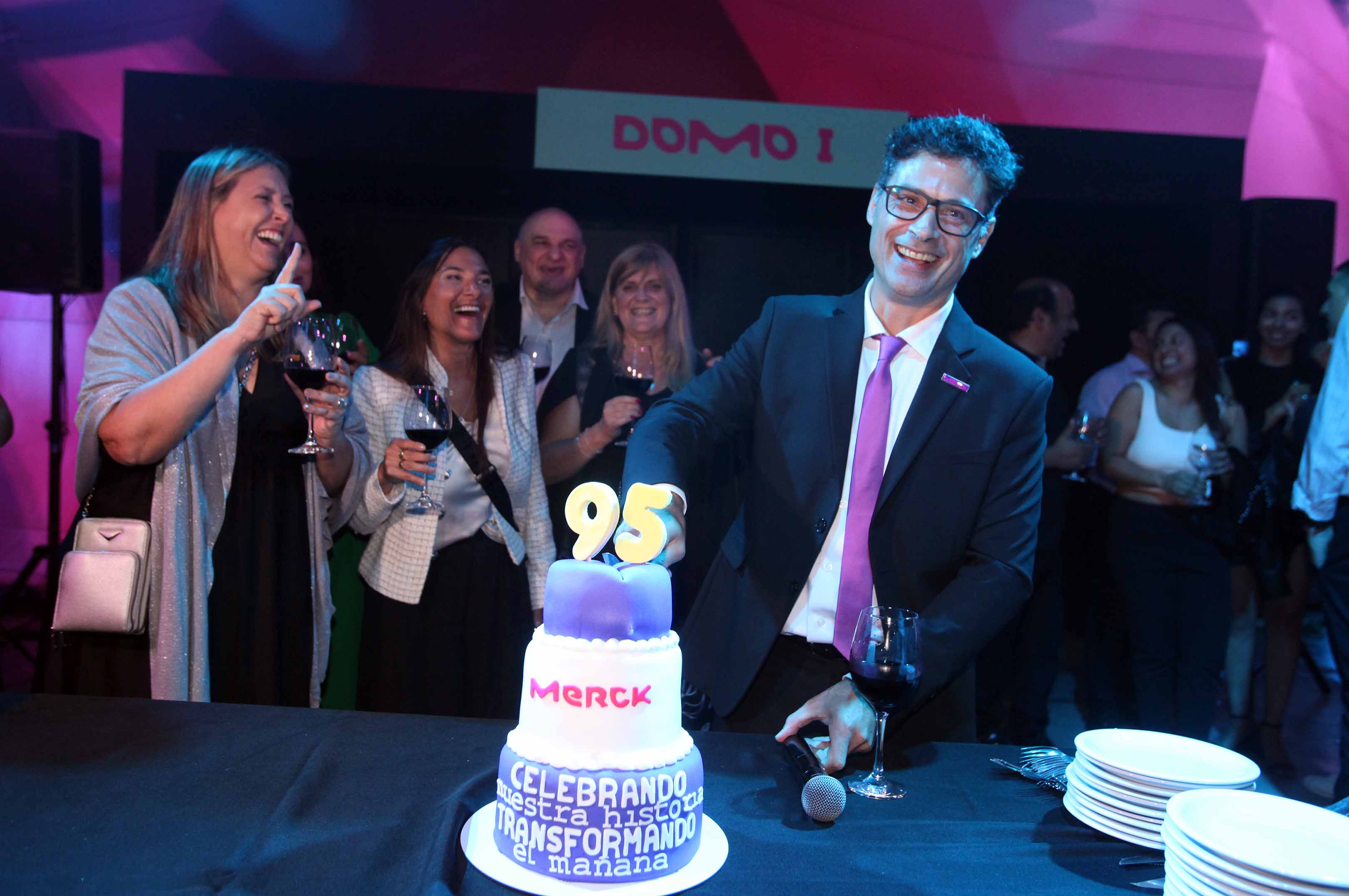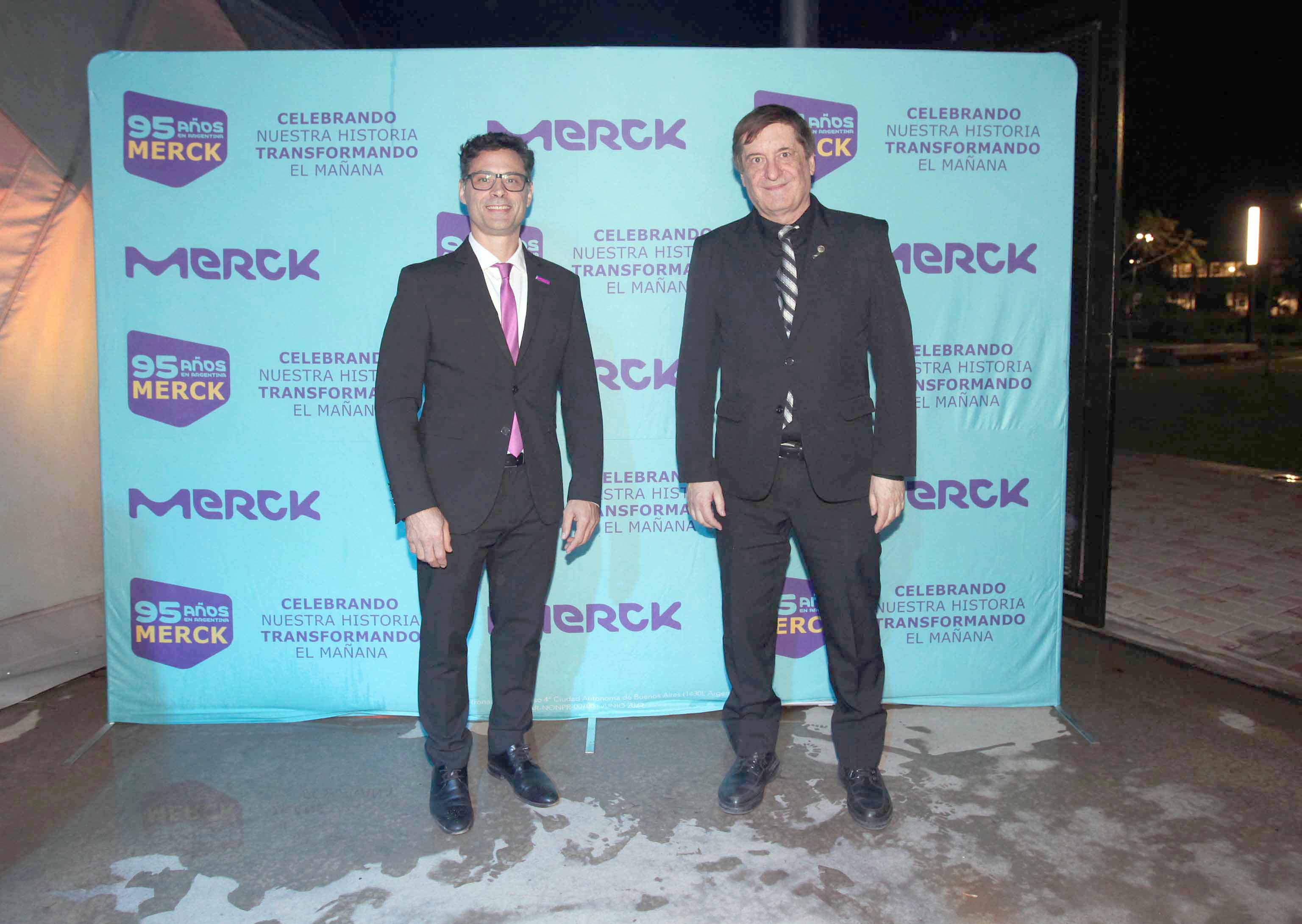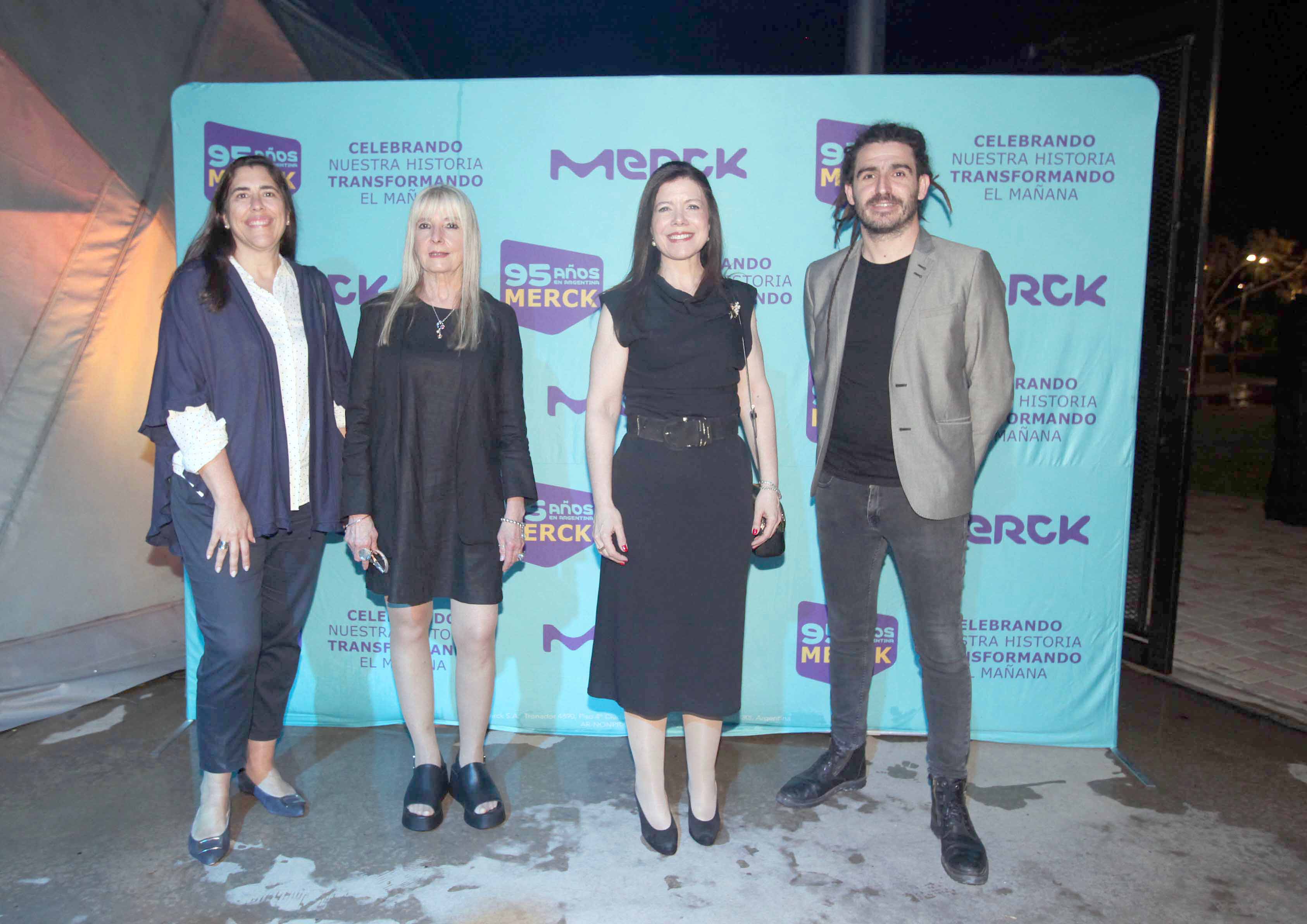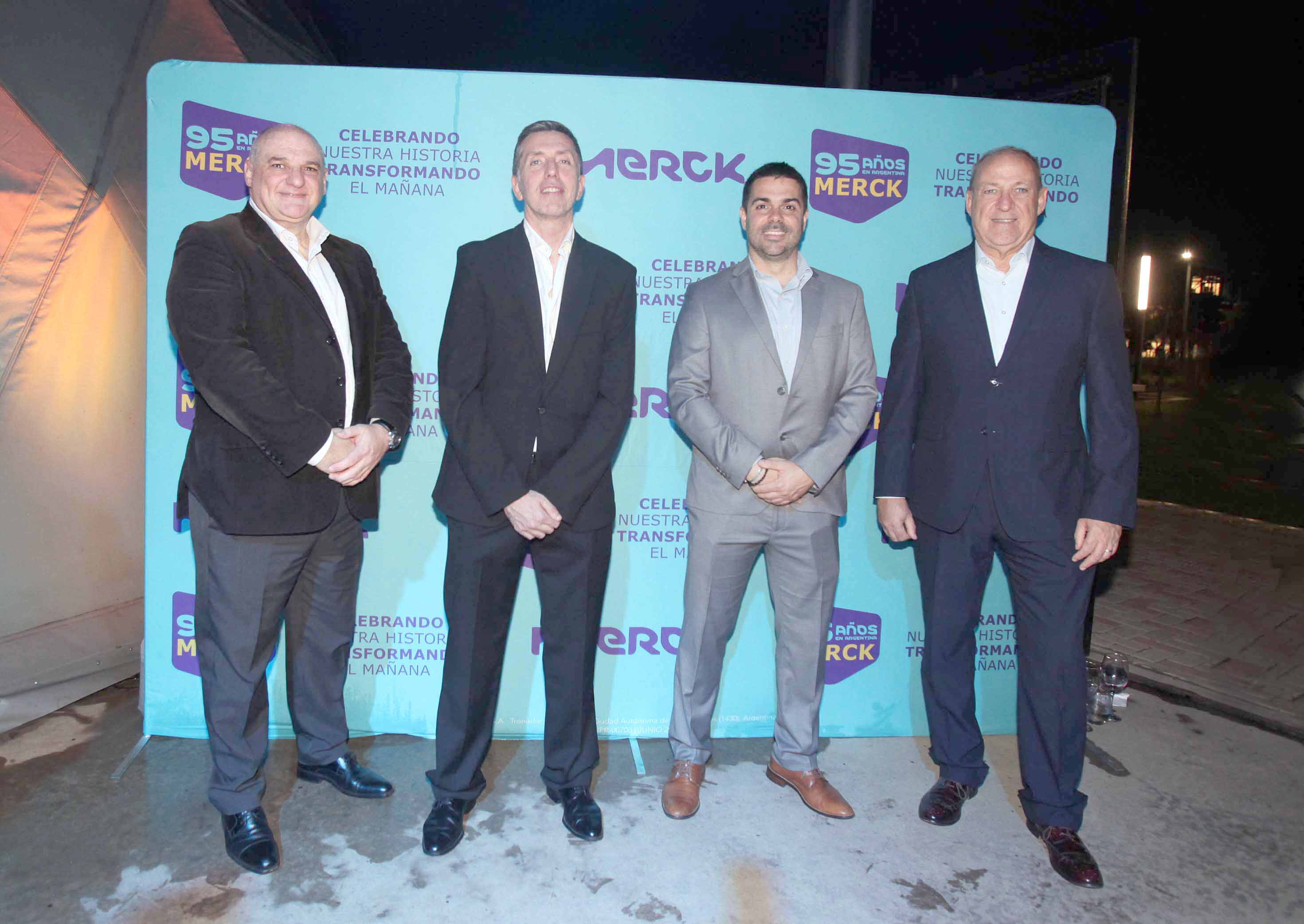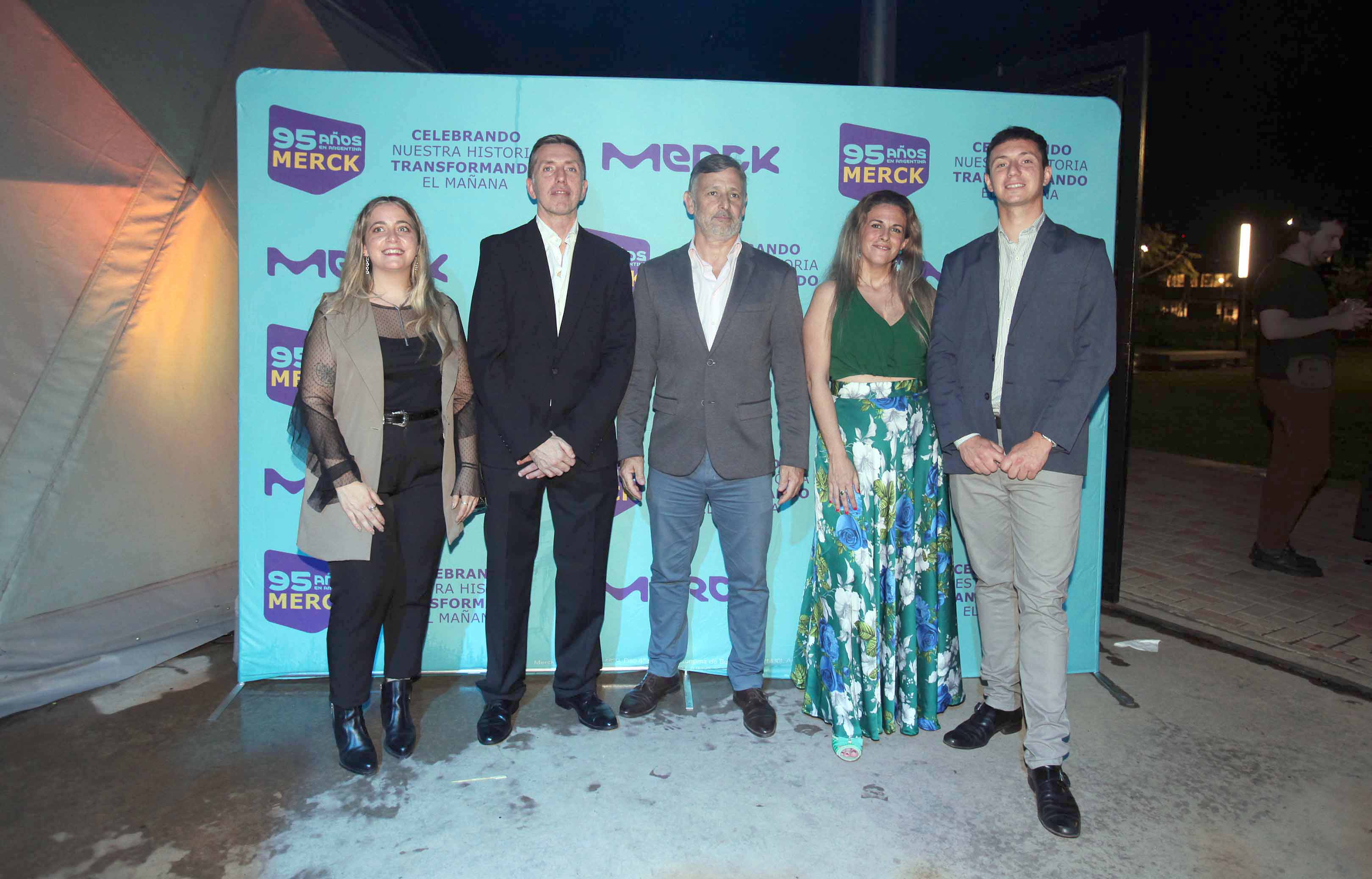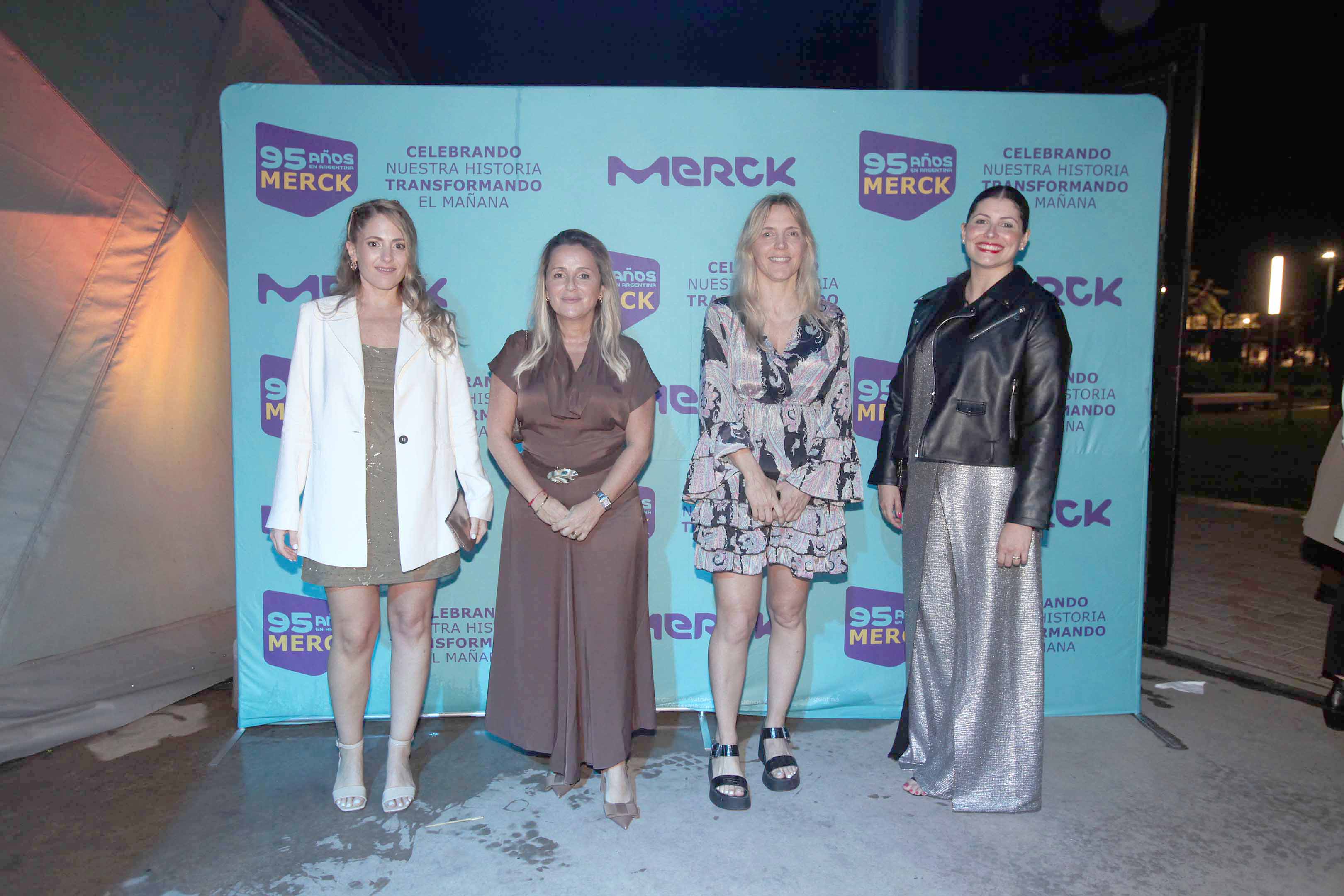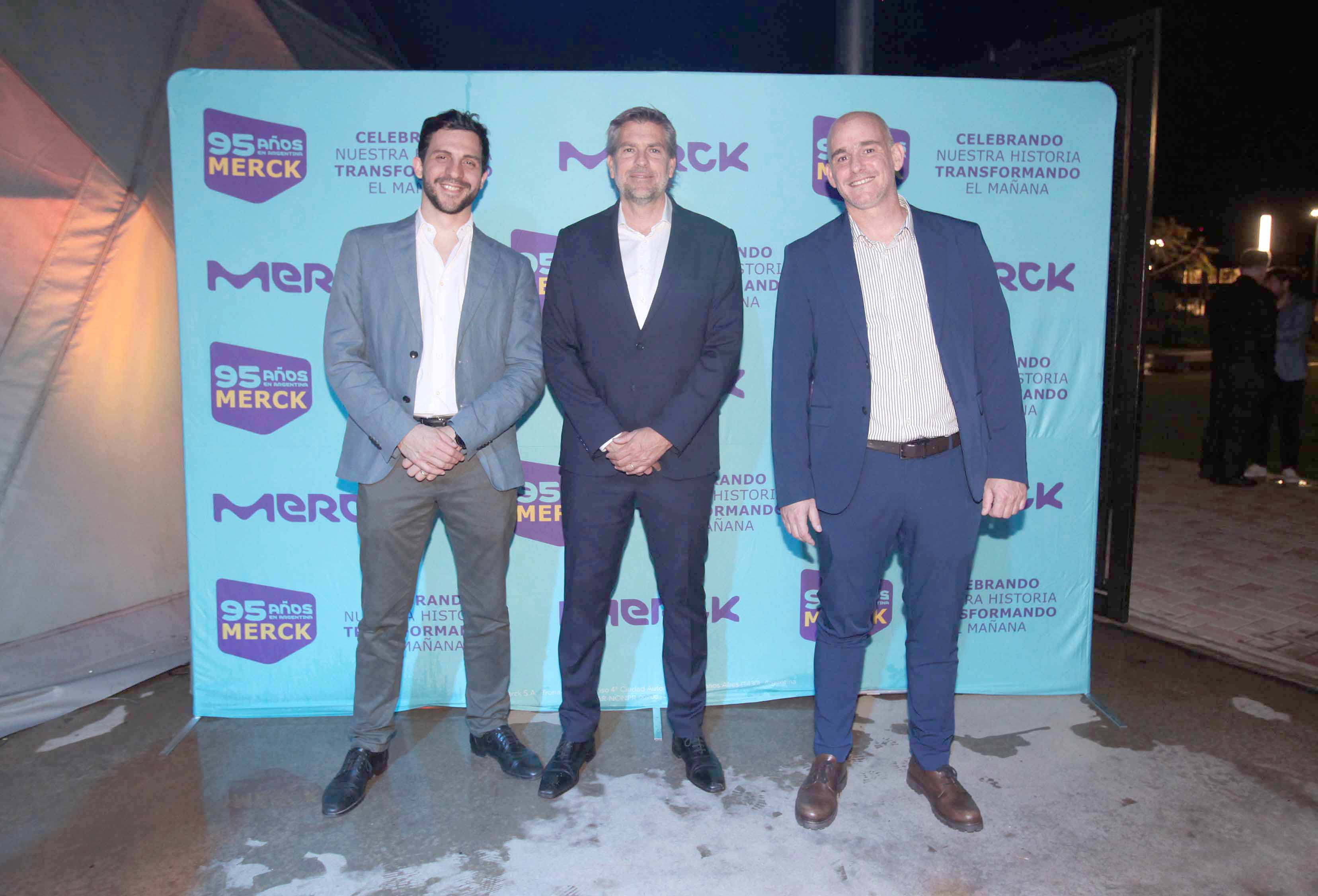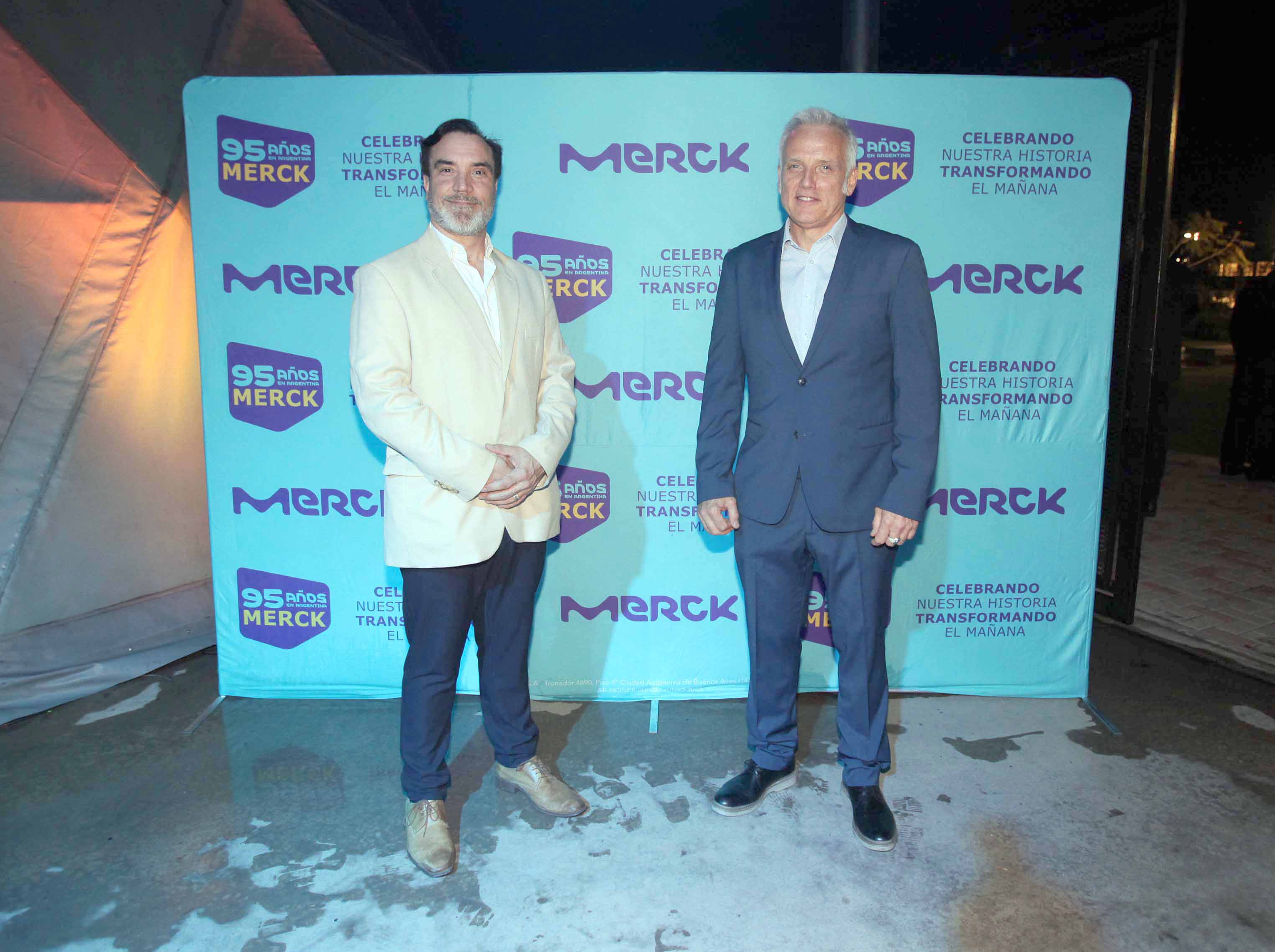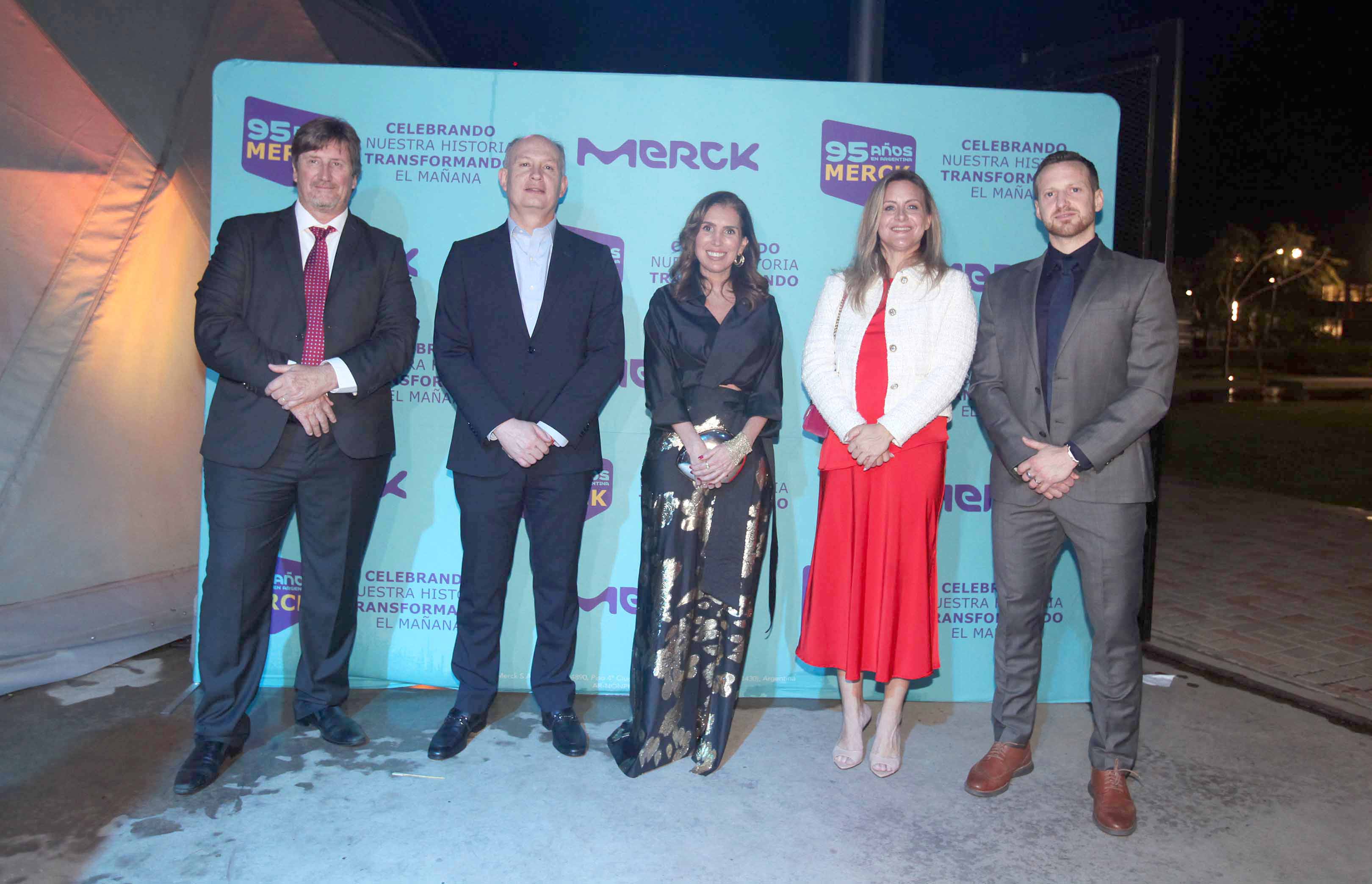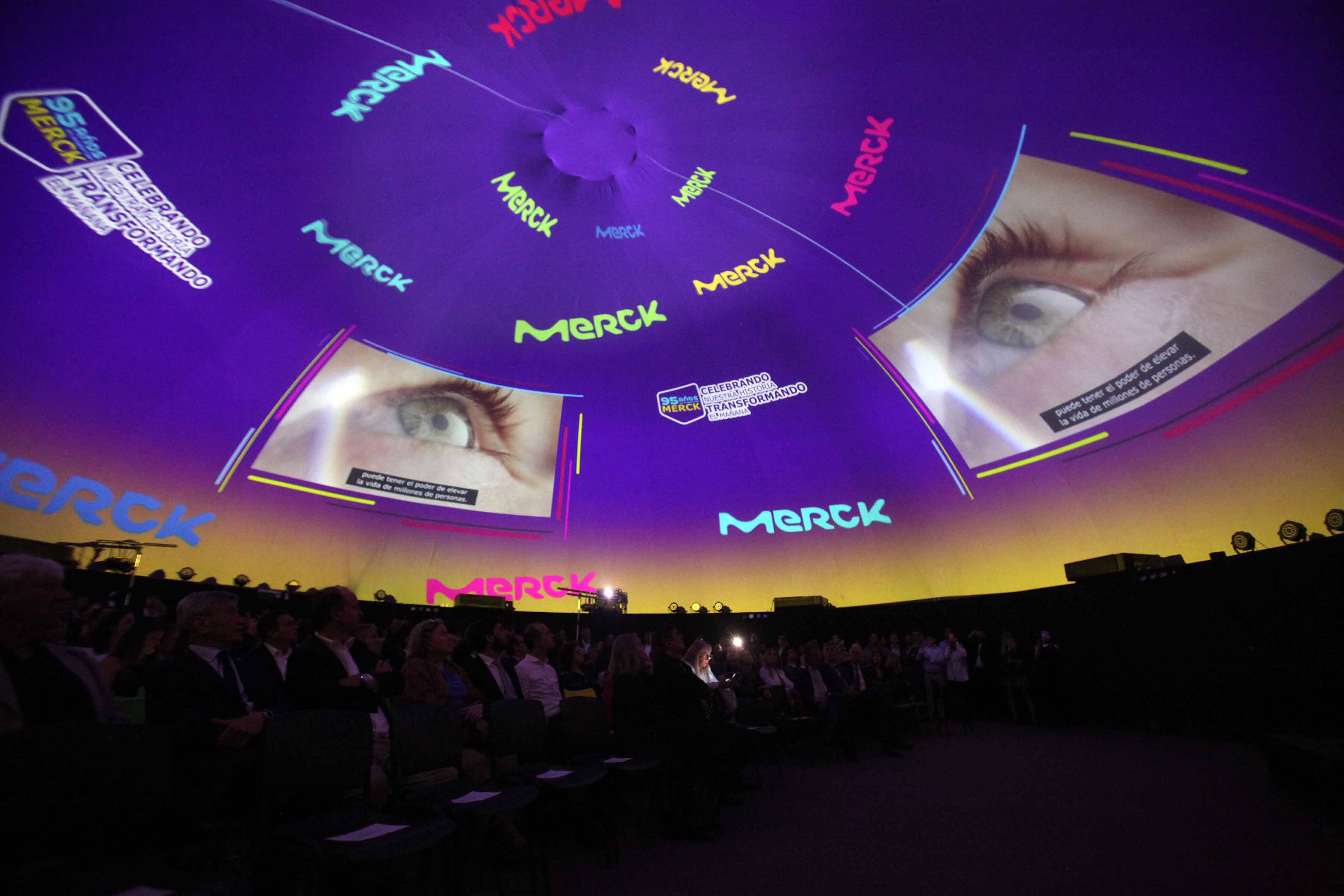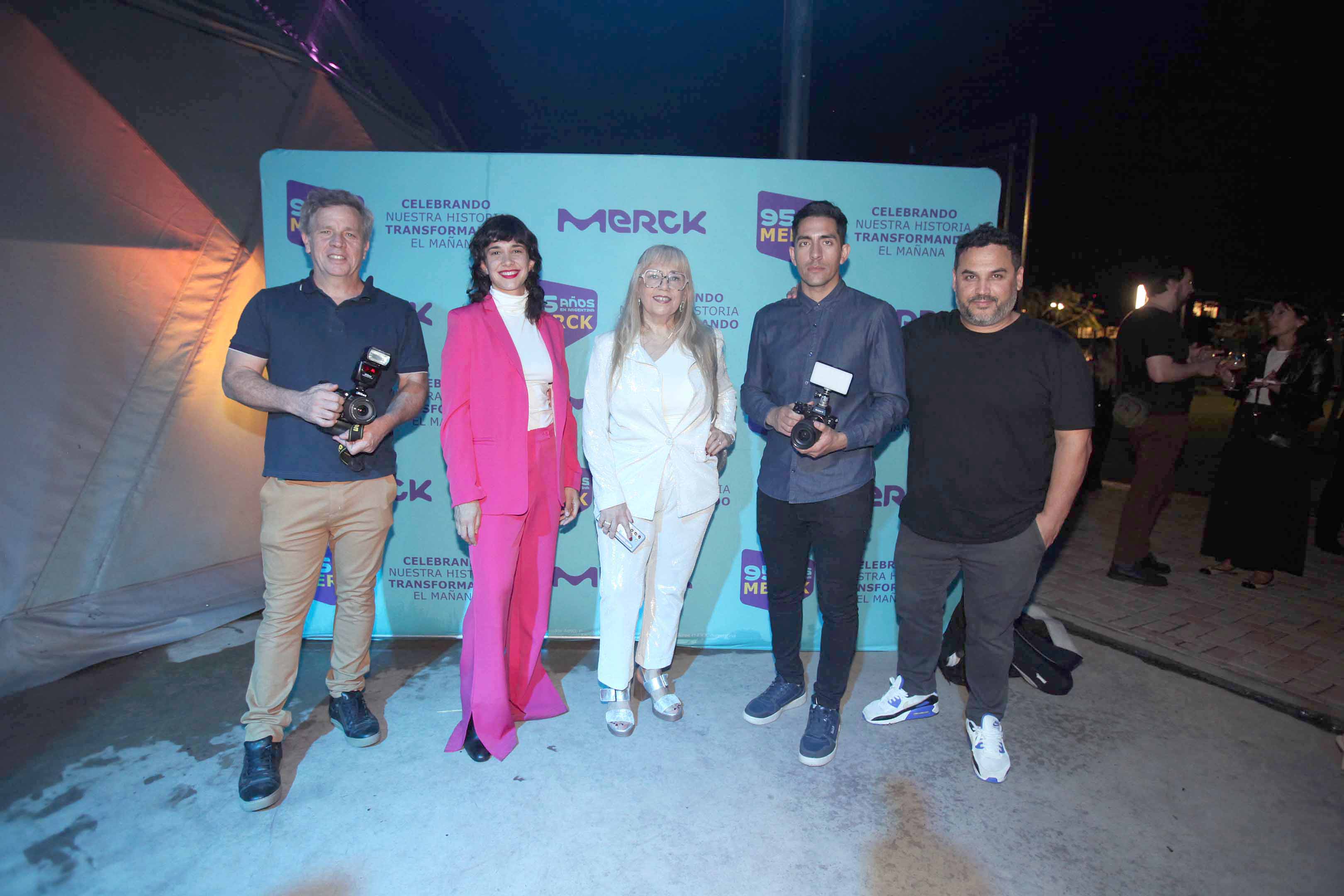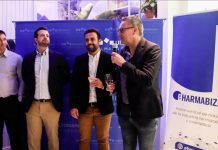
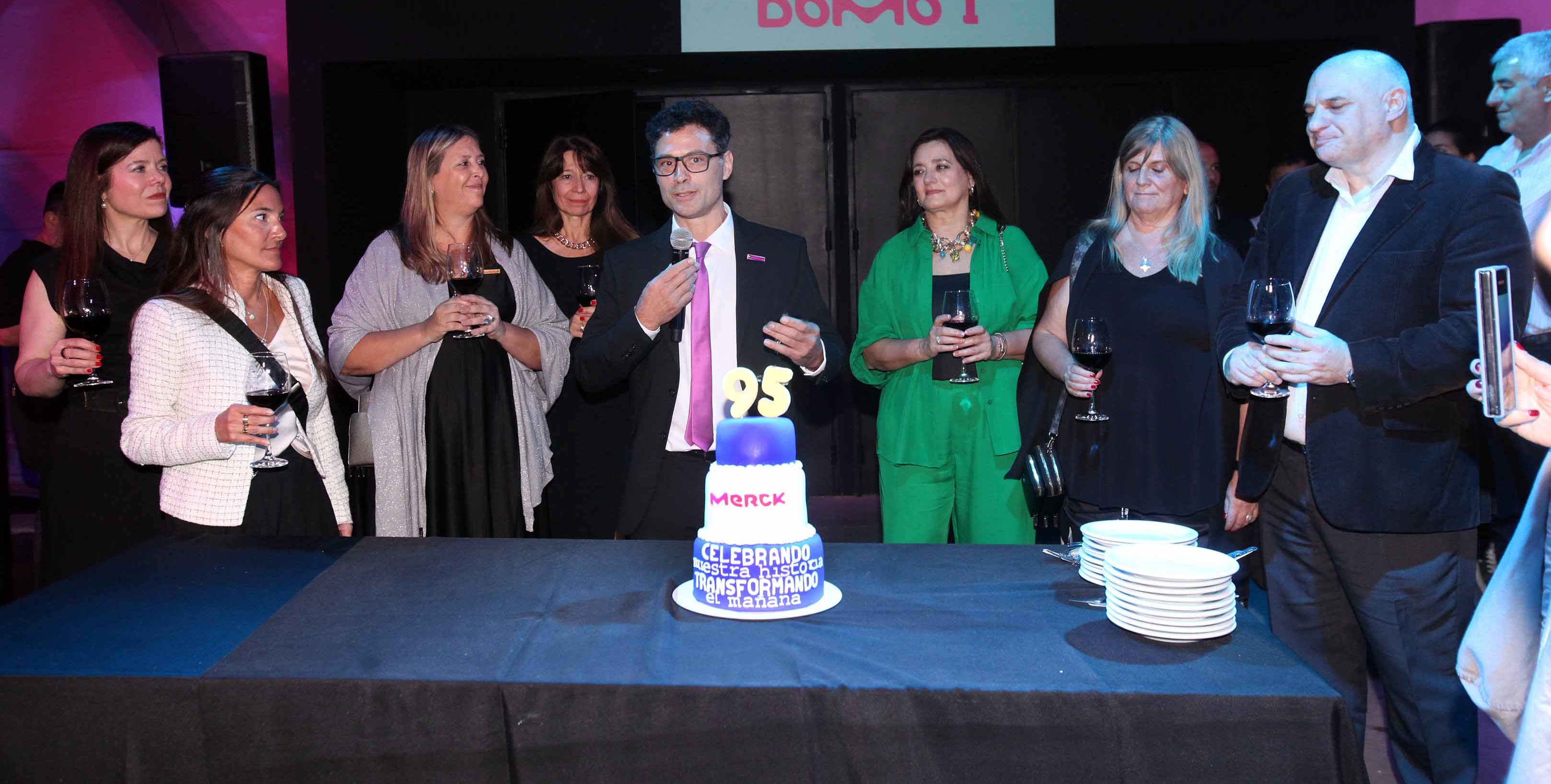
The German drugmaker Merck celebrated 95 years in Argentina with a major event last night at Buenos Aires City’s Parque de Innovación. Germany’s ambassador to Argentina attended along with the company’s entire local staff and a wide range of stakeholders.
Against a context that has seen many foreign-owned companies selling their assets and leaving Argentina, Germany’s Merck is celebrating nearly a century in the country. To celebrate and honor its 95 years on Argentine soil, the multinational convened all stakeholders last night for a major celebration that, in line with the company’s philosophy, took place at Buenos Aires City’s Parque de Innovación.
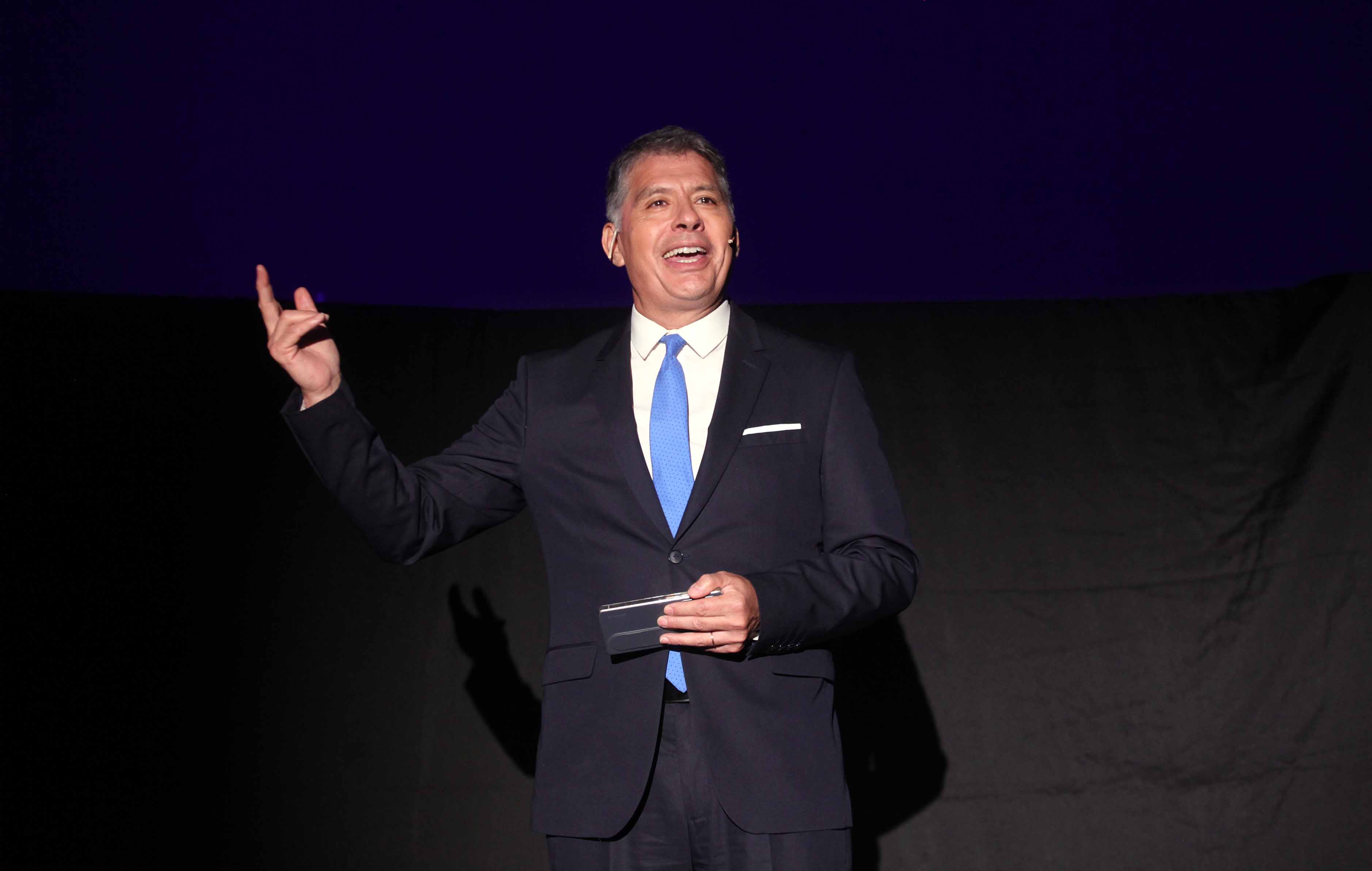
The evening was opened by the journalist Guillermo Lobo, who served as master of ceremonies. The host reviewed the company’s extensive history in Argentina and spoke about the significance of its holding firm in a country where, he remarked drily, a long-term stay sometimes means «until tomorrow». He also emphasised Merck’s broader international history, noting that it was founded in 1668, making it the oldest pharmaceutical and chemical company in the world.
After Lobo, Marcelo Ponte, managing director of Merck Argentina, spoke. He outlined the company’s history and its various areas of innovation. He was preceded by a video in which he explained clearly Merck’s role in situations of everyday life, from the components of a touch screen, through its Electronics business, to the quality of drinking water, through the work of its Life Science unit.
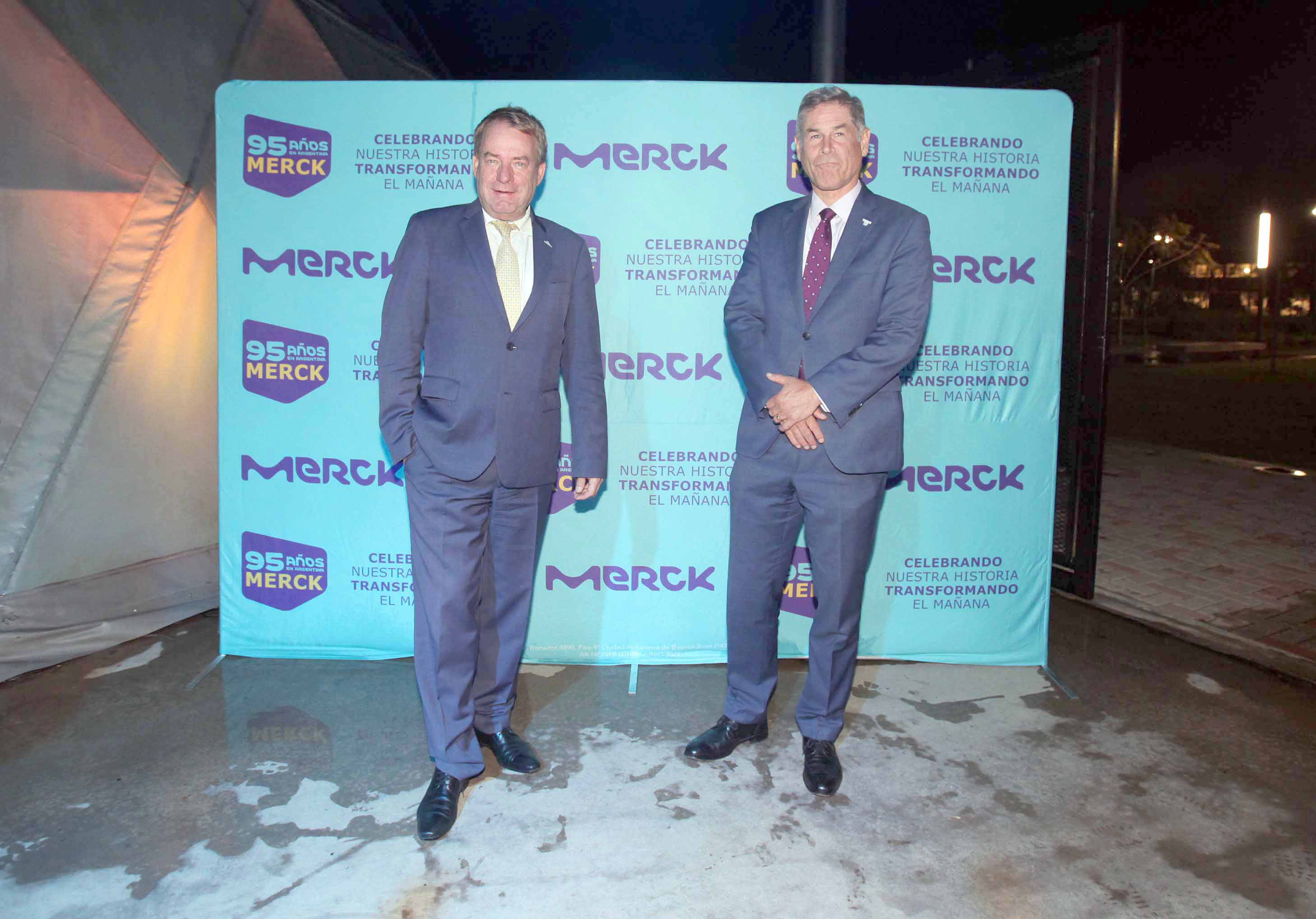
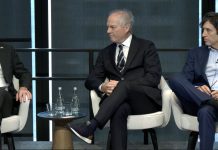
In the packed auditorium, some of the attendees present included Dieter Lamlé, the Federal Republic of Germany’s Ambassador to Argentina, along with Minister of the Embassy Peter Neven; the President of CONICET, Daniel Salamone; the CEO of the Parque de Innovación, Ezequiel Mesquita; as well as doctors, employees, clients, journalists, and representatives from social organizations, distributors and patient groups.
Established in Argentina since 1930, Merck employs 200 people in the country. Interestingly, its history here began long before its official incorporation. At the end of the 19th century, local representatives brought the chemicals and pharmaceutical products that Merck was developing in Germany to the country. But it wasn’t until 1930 that the company took a decisive step by founding Merck Química Argentina. Since then, the company has gone through various stages. During World War II, the Argentine subsidiary was taken over by the state until the founding family repurchased it at public auction in 1958.
The histories of Merck and of German immigration in Argentina are deeply entwined as, of the 200-year history of Germans in Argentina, Merck shares half of it. There are records showing that as early as 1867, long before it began operating as a company in the country, Merck products were already being marketed by enterprising German immigrants.
Much more recently, in 1982, the company acquired the property in Ezeiza where its Life Science logistics center still operates today. Years later, in 2005, it moved its headquarters to its current site in the Saavedra neighborhood of Buenos Aires City. And in 2009, a single Healthcare Quality Control laboratory was consolidated at its current site in Martínez, in Buenos Aires province. At the same time, global acquisitions strengthened the company’s presence in Argentina: in 2006, the purchase of the Swiss biotechnology company Serono strengthened its Healthcare division; and in 2010, Millipore joined the Life Science business.
In 2011, the company made a strategic shift in Argentina with its pharmaceutical business, focusing on biotechnology products and specialty treatments. Of course, local operations continued to be intertwined with international ones. For example, in 2015, Merck acquired Sigma Aldrich, which strengthened the Life Sciences business further. That same year, the corporate brand was refreshed based on the trident of Healthcare, Life Science and Electronics.
Since 2020, Merck has undertaken a series of investments in Argentina: it expanded the Life Science logistics center in Carlos Spegazzini and installed solar panels there, which generate concrete environmental benefits by reducing electricity consumption by 50% and avoiding the emission of approximately 350 tons of CO₂ per year. See Park Inauguration in Spanish
In terms of management, the year 2021 also stood out, when the corporation appointed María Sol Quibel as general manager, marking the first time in the company’s history in the country that a woman sat in the top position. Another highlight has been the Merck-CONICET Award, which, since 2021, has promoted promising new talents in research and innovation. See Quibel Management in Spanish