Argentina Week in New York this week also saw the presence of representatives from the country’s pharmaceutical sector. Daniel Sielecki of Elea and Leandro Sigman of Insud group spoke of the talent and readiness of the local industry, with biosimilars and APIs emerging as a key theme.
The Argentine government, along with JPMorgan, Bank of America, and the venture capital fund Kaszek, organized Argentina Week in New York this week as an initiative intended to attract foreign investment. The event brings together government officials and business leaders to present opportunities in sectors such as energy, mining and technology – and the pharmaceutical sector was also present.
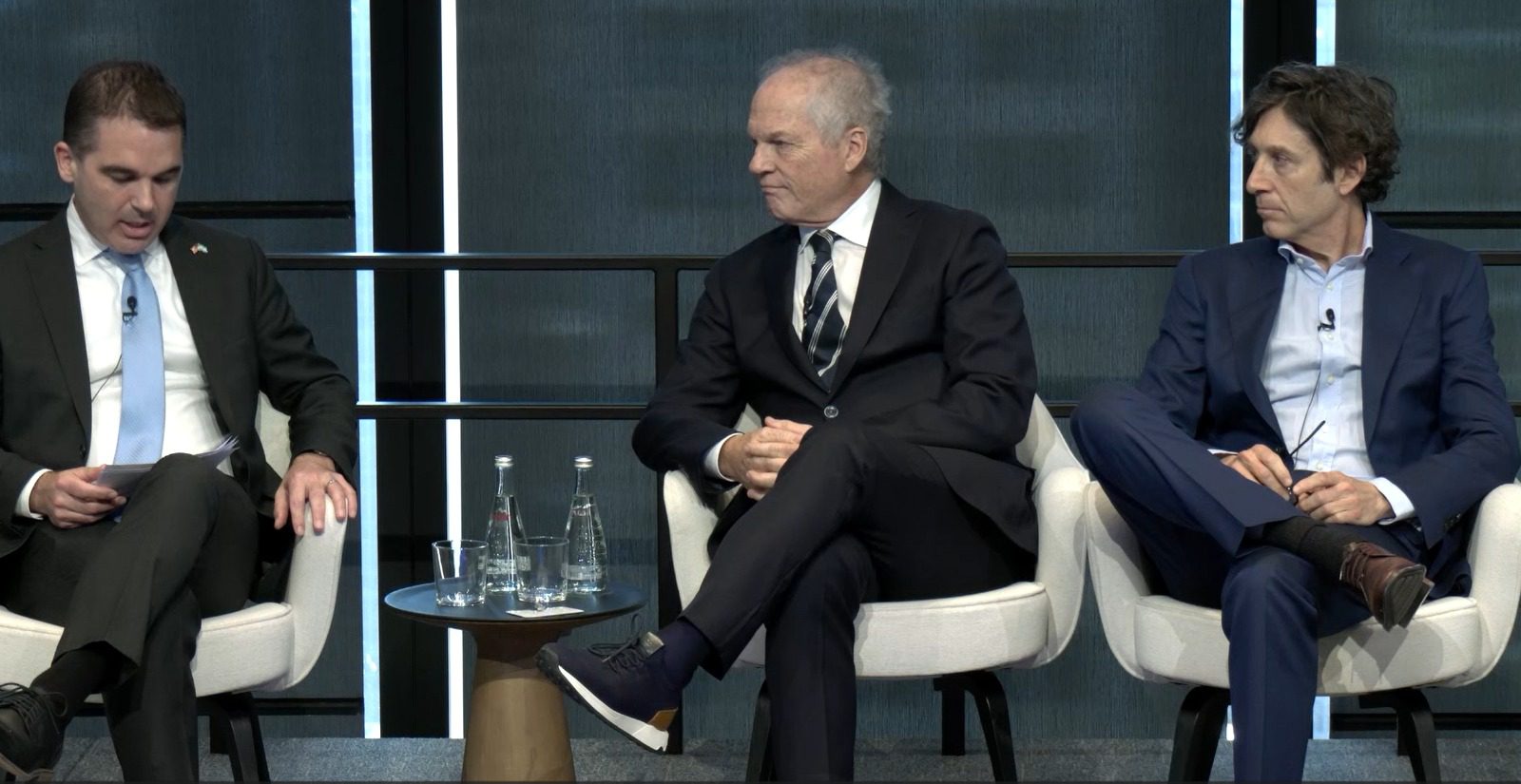
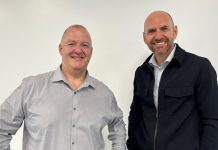
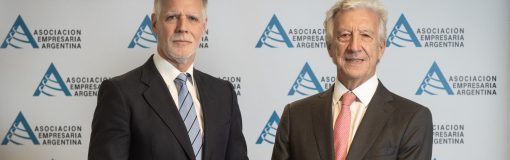
In a fireside chat titled “Argentine Pharma, an integrating into global value chains as a trusted partner”, Daniel Sielecki, director of the drugmaker Elea, and Leandro Sigman, chairman Insud, represented of the local pharmaceutical industry in a conversation with Jason Marczak, vice president and senior director of the Adrienne Arsht Latin America Center, part of the think tank The Atlantic Council.
After introducing the Argentinians as leaders in the national sector, Marczak highlighted the Argentina-United States Reciprocal Trade and Investment Agreement signed last month and its relevance to the sector in terms of tariff elimination and the promotion of regulatory modernization.
The host highlighted Argentina’s manufacturing capabilities while asking about the country’s infrastructure for competing on a larger international scale in the short term. In response, Sielecki emphasized that the country’s more than 120 pharmaceutical plants produce over 5 million units annually, and that Argentina is well-positioned to provide nearshoring to the US amid an increasingly complex geopolitical context.
Sigman, for his part, addressed biosimilars. He indicated that although he doesn’t foresee the possibility of producing them in Argentina in the short term due to the time required for plant registration and approval, he suggested that production in Argentina would allow the US to reduce its dependence on China.
Another area highlighted as a great opportunity for Argentina is the production of APIs. Sigman noted that there are «three or four» manufacturers that already have FDA approval. He also emphasized the strength of the veterinary sector, mentioning that an Argentine company, Biogénesis Bagó, is a significant supplier of antigens and vaccines to the US Foot-and-Mouth Disease Bank.
In this context, Sigman brought up the delays in deliveries caused by the conflict in Iran and warned about US dependence on China and India. «I think having an option in Latin America could be a huge advantage,» he suggested.
Sigman also referenced the pioneering nature of local biotech Biosidus. He noted that it was founded in 1983, just three years after insulin was approved in the US as the world’s first recombinant product in 1980. He stated that there are now nearly 400 biotechnology companies in Argentina and that the pharmaceutical industry’s network of expertise is enormous.
Meanwhile, Sielecki mentioned the need to expedite FDA approvals so that Argentina can export more products. He proposed a «fast track» process for Argentine companies. He also stressed that many Argentine drugmakers are already multinationals and that «the capabilities are there.»
To Marczak’s question about opportunities for joint ventures between US and Argentine companies, Sigman said that seeking North American partners to introduce Argentine products to the market could be a «quick win». He suggested that for a long time, the Argentine pharmaceutical industry was too inward-looking, but that in the last 20 years, companies in the sector have begun to take a more international view.
Sielecki agreed, stating that there is already a history of joint ventures. He proposed that for US companies that left Argentina during times of crisis, now is the time to return. He praised Argentina’s knowledge and human resources and noted that many Argentinians work in pharmaceuticals in many countries around the world.
In conclusion, both guests affirmed that Argentina is ready to receive investment and technology and to become a good partner for North American companies in the pharmaceutical sector.